
Record a clear microphone take
Keep the microphone position consistent and record a short test before the full script. Listen for room noise, harsh peaks and words that are difficult to hear. Leave a little silence around each take so that you have space to place clean edit boundaries. If a line goes wrong, pause and repeat the whole phrase rather than stopping after a single word.
Record narration in manageable sections when the video has clear chapters or scenes. Meaningful filenames help you match each take to its place in the video. The sound editor handles the recording; synchronization with picture is a later step in your video application.
Remove mistakes and long pauses
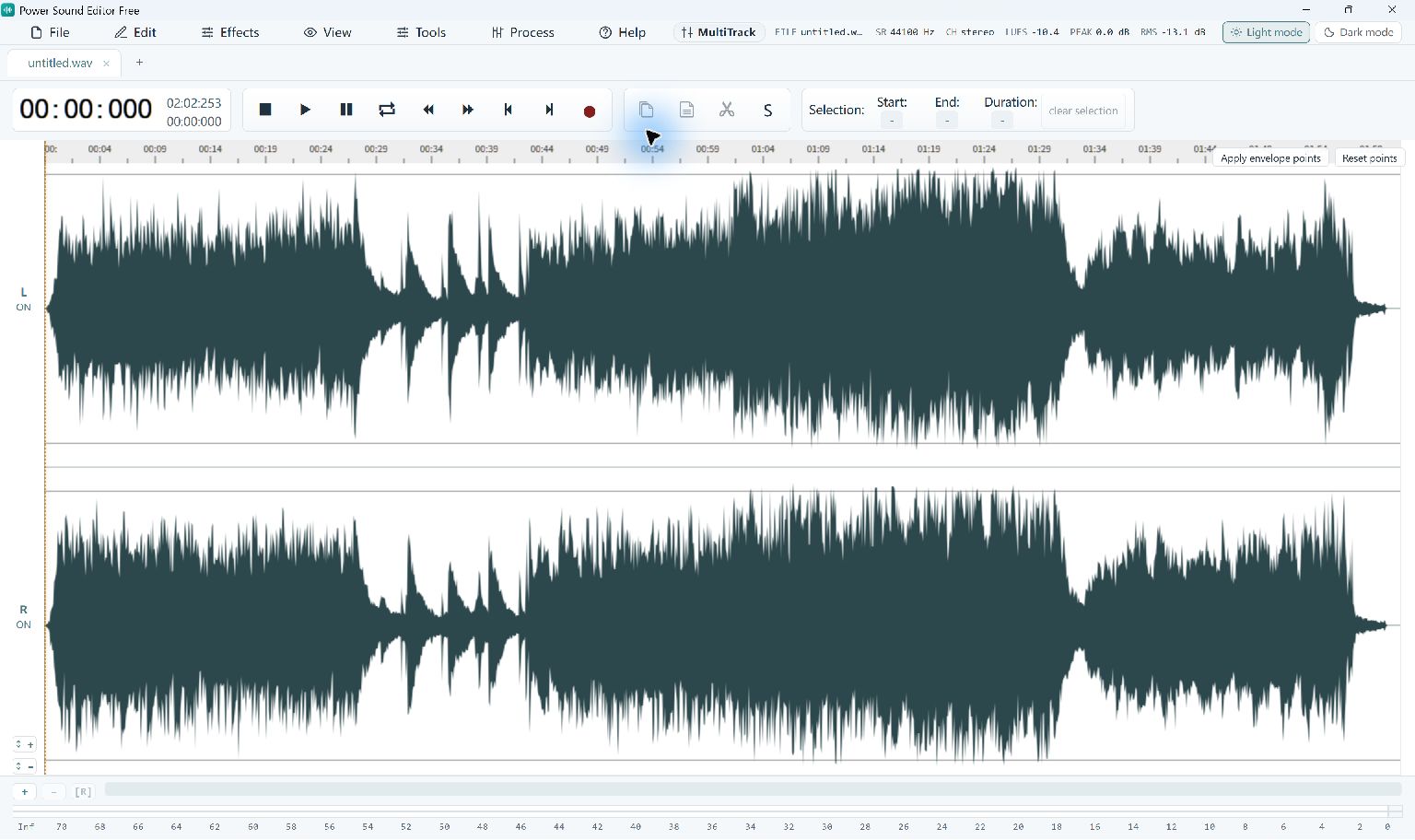
Remove false starts and repeated phrases, then listen to the pacing. Avoid stripping every breath or pause from a human voice. If a steady background sound is distracting, try a restrained cleanup and compare the result with the untreated take. Strong processing can damage consonants or make pauses sound unnatural. Keep a version you can return to before major changes.
Step-By-Step Instructions
- 1
Record your voice
Open Tools → Record, select the microphone and check the live meter. Record a short test, then capture the required narration.
- 2
Cut mistakes and repeated lines
Listen through the take and cut mistakes or duplicate lines. Replay each join so that the sentence still flows naturally.
- 3
Reduce distracting noise
Use the available repair or voice-processing tools only where needed. Check the beginning and ending, and add small fades to abrupt edges.
- 4
Export narration as WAV
Use Convert / Export and the Video WAV 48 kHz preset when it matches your video project. Import the result into the video editor and confirm timing against picture.
Common Questions
Does the sound editor assemble the finished video?
No. This workflow produces narration audio. Use your video editing application to position it against the picture and export the final video.
Must every project use 48 kHz audio?
Match the requirements of your video project. The editor includes a Video WAV 48 kHz preset, but the receiving project determines the appropriate settings.